
Growing Your Own Firewood: A polyculture lens with animals, annuals and trees
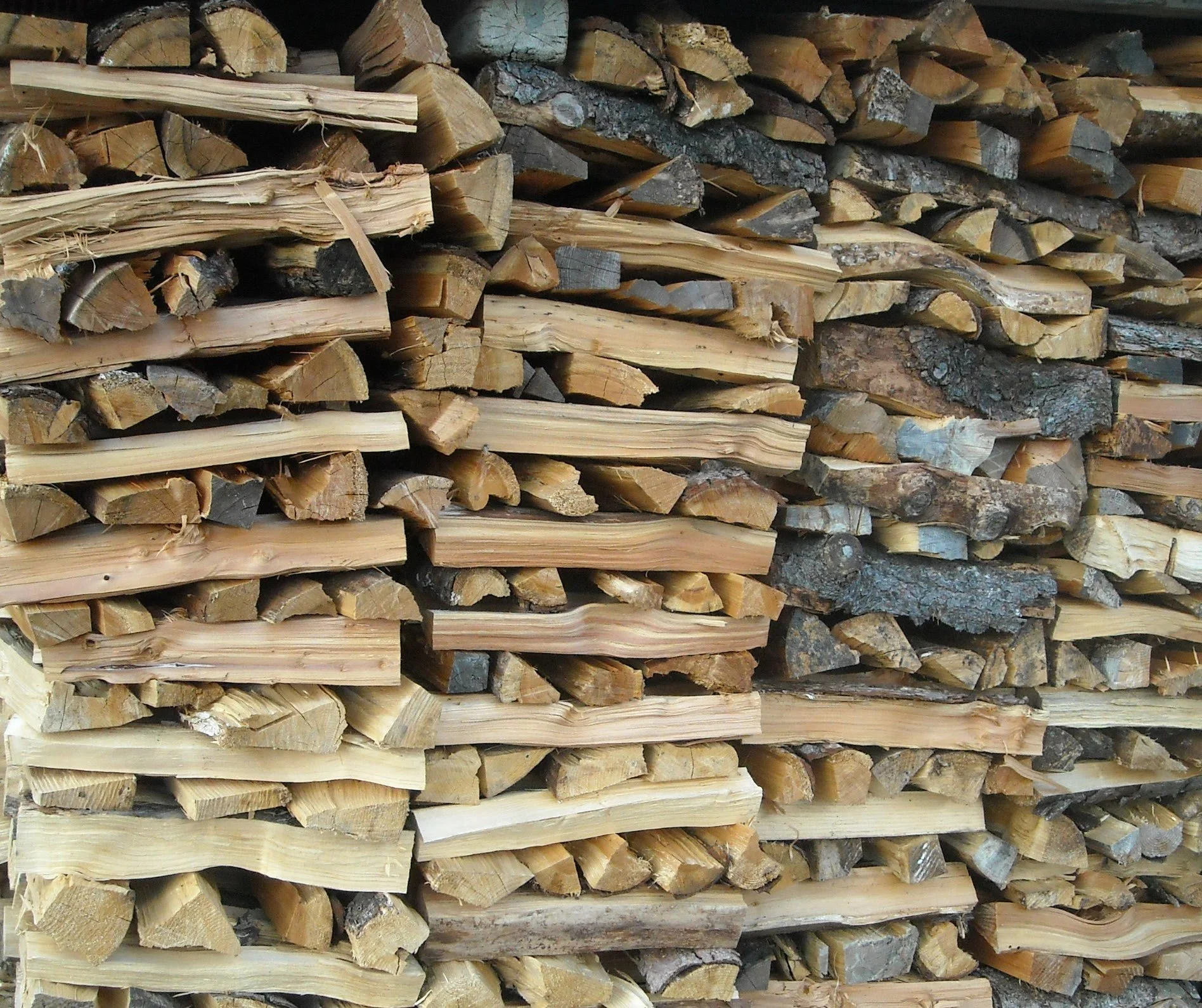
A stack from the author
Growing your own firewood offers various benefits: energy independence, cost savings, carbon sequestration, soil conservation, biodiversity, and a closed-loop system.
To get started, choose hardwood tree species like oak, maple, or ash. Plant them in polycultures (communities of plants and animals) with annuals like comfrey and clover, as well as perennials like hazelnuts and blueberries. This will create a thriving ecosystem that provides multiple yields.
For optimal results, select disease-resistant tree varieties and plant them on south-facing slopes. Coppice/pollard (described below) your trees regularly to ensure sustained yields over time. Along with specific animal species and well maintained water systems, you can enjoy a bountiful harvest of sustainable firewood in as little as 10-20 years. Yay!
Coppice (cutting trees in at their stump for accessible material. Pollard (harvesting for similar but also to benefit higher yield of nuts/fruits).
The 10 simple (yet not easy;) steps to your Polyculture System
Assess Your Land : Evaluate climate, soil, sunlight, and water resources to determine the best locations for firewood, annuals, and animals.
Define Your Goals : Determine how much firewood, annuals, and animal products you want to produce, and how you'll use or sell them.
Choose Firewood Species : Select disease-resistant, climate-tolerant PNW hardwood
The revered White Oak and it’s edible nuts:)
Design Annual Polycultures : Plan diverse annual crop plantings that complement firewood trees and animal systems.
Select Animal Breeds : Choose animal breeds suitable for your climate, resources, and production goals.
Dindon gers - effective woodland turkey
Integrate Animals and Firewood : Design animal systems that utilize firewood areas for grazing, bedding, or other purposes.
Plan Water Management : Design water harvesting and conservation systems to support firewood, annuals, and animals.
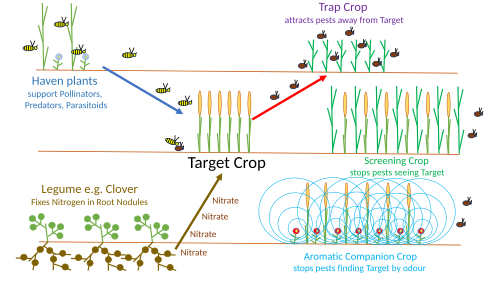
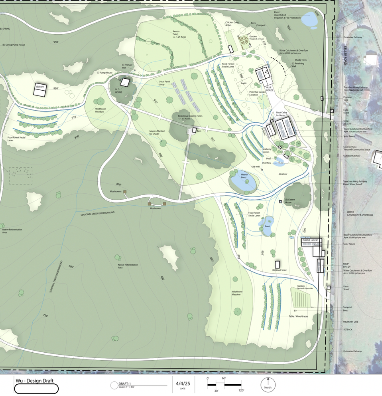
Consider Nutrient Cycles : Plan how to cycle nutrients between firewood, annuals, and animals to minimize waste and maximize fertility.
Design for Pest and Disease Management : Incorporate natural pest and disease management strategies throughout the system.
Create a Phased Implementation Plan : Develop a step-by-step plan to establish your regenerative firewood, annuals, and animal system over time.
Another example of growing timber through time
Designing a regenerative firewood, annuals, and animal system requires careful planning and consideration of multiple elements (a permaculture design). By following the 10 steps outlined above, you can create a thriving, sustainable, and resilient ecosystem that produces abundant firewood, annual crops, and animal products while promoting ecological balance and biodiversity. Remember to stay flexible, adapt to changing conditions, and continually monitor and improve your system to ensure long-term success.
An effective and abundant polyculture of growing timber, rich under story (missing animals) and food production (hazelnuts)