
Kudzu! The potential.
The vine harvest
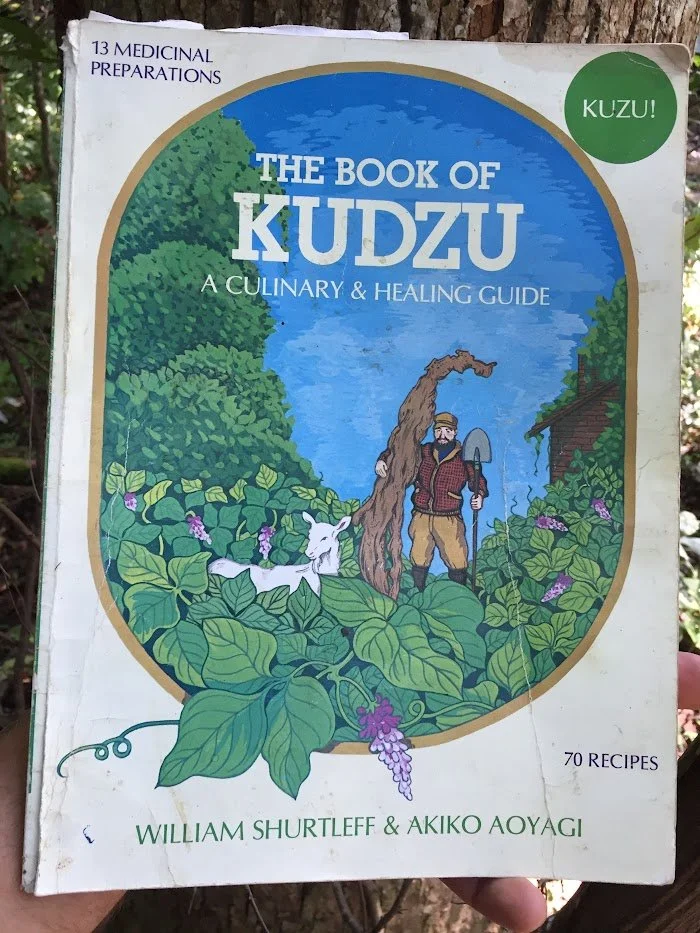
As I wandered through the lush forests of Black Mountain, NC (2014), I stumbled upon a plant that would change my perspective on invasive species forever – kudzu. My permaculture mentors, Zev Friedman and Justin Holt, introduced me to the incredible potential of this often-maligned vine. In this post, I'll share my journey of discovery and the various uses of kudzu as a food, fiber, and fodder. Not to mention its high quality soil production, strong pollinator and first-class nitrogen fixer.


The Kudzu Conundrum
Kudzu (Pueraria montana var. lobata) is a perennial vine native to Asia, was ironically introduced to the United States in the late 19th century for erosion control and ornamental purposes. However, it has since become notorious for its aggressive growth, out-competing native vegetation (ie. the great American chestnut) and damaging infrastructure. But, as Zev taught me, kudzu's tenacity can be harnessed for good.
Food of Kudzu:)
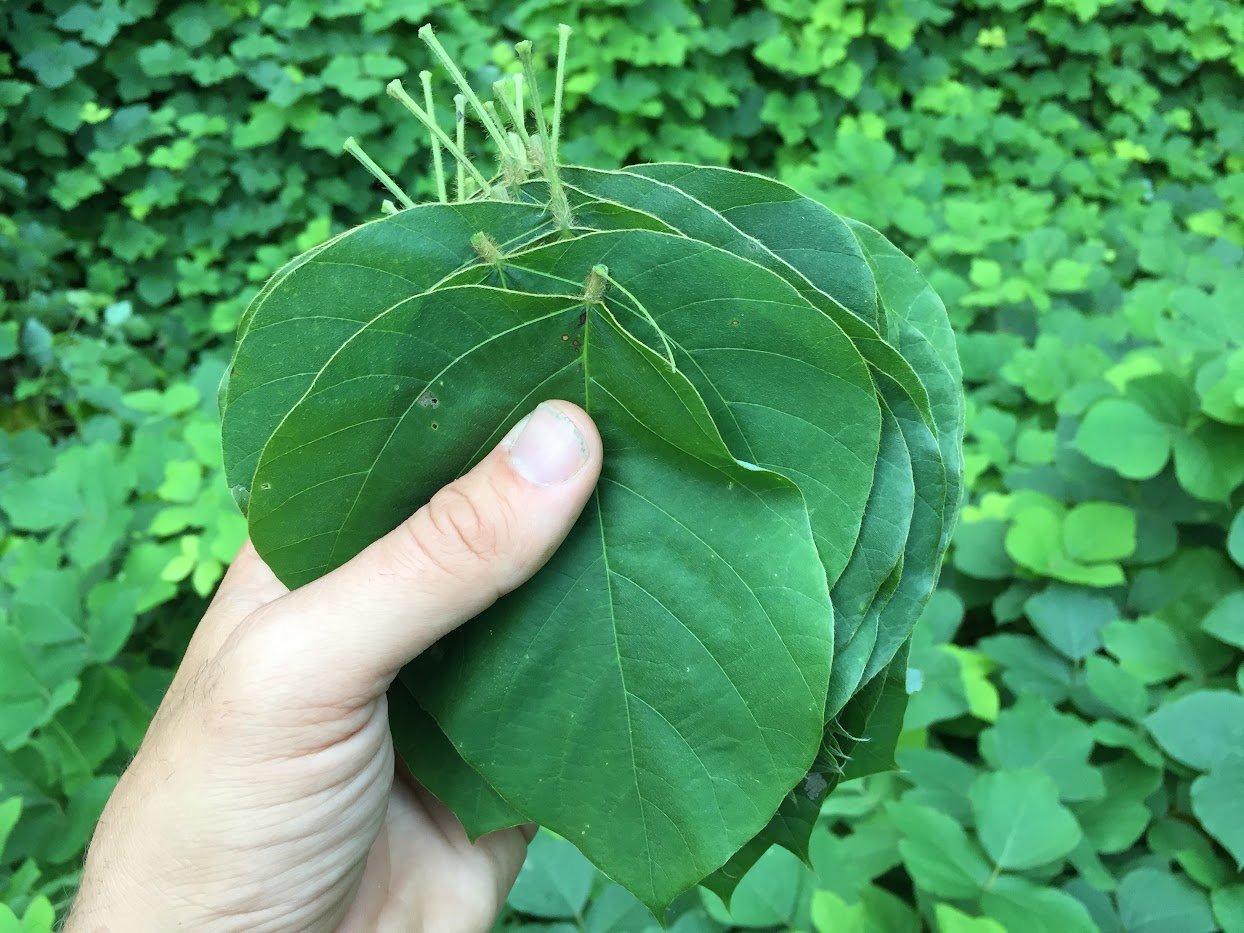
Kudzu's young leaves, shoots, and vines are edible and nutritious, rich in:
Protein (up to 20%)
Fiber
Vitamins A and C
Minerals like potassium and iron
Leaves are highly attractive to various four-legged ruminants which makes it effective to feed two birds with one hand
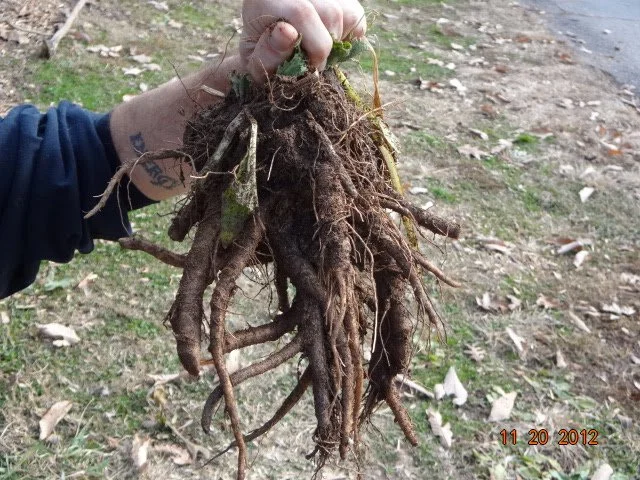
We harvested kudzu leaves and added them to salads, sautéed them with garlic as a side dish, and even made kudzu tea. The flavor is similar to a mild spinach or watercress. Zev also showed me how to make kudzu jelly and kudzu powder as value-added products.
Fiber: Kudzu's Textile Treasures
Kudzu fibers can be used to create:
Paper products (ie, paper, cardboard, and packaging materials)
Textiles (ie, clothing, rope, and netting)
Composites (ie., bioplastics and insulation materials)
Evevn food for humans (ie roasted, jelly or flour)
We processed kudzu vines into fiber using simple tools and techniques, then spun them into yarn and wove them into a beautiful, durable fabric.
Kudzu's benefits extend far beyond its reputation as an invasive species. By embracing its potential as a food, fiber, and fodder source, we can unlock a regenerative future with numerous ecological and economic advantages.